
Sigmoid colectomy for colorectal cancer
In this procedure, the surgeon removes the diseased portion of the rectum and the sigmoid colon. Some lymph nodes and surrounding tissue are also removed.
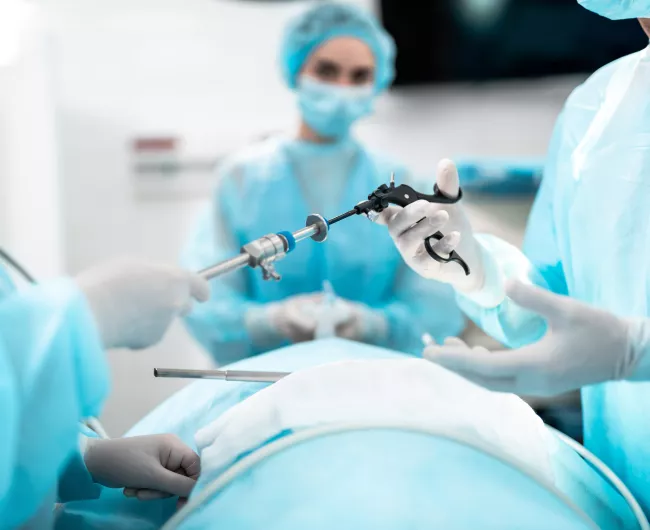
Sigmoid colectomy methods
Your surgeon may perform your colectomy as an open surgery, laparoscopic surgery, or robotic-assisted surgery.
The technique will depend on:
- your overall health
- tumor size
- the surgeon's experience and preference

Will I need a colostomy bag?
It's important to talk to your surgeon about your specific case and whether you will need a colostomy.
Some sigmoid colectomy surgeries do not require a stoma if the surgeon is able to connect the two ends of the colon together. The part of the colon that is joined is called an anastomosis.

Recovery
After sigmoid colectomy surgery:
- You will have some pain that can be controlled with medication.
- For a few days, you may be on a liquid diet to let your colon heal.
- Bowel function usually returns within three days after surgery.
- You may have a longer hospital stay if a your surgeon created a temporary or permanent ostomy.
- Your doctor will determine when you can return to work, driving, and other activities.

Risks and possible complications
Risks of any surgery depend on several factors, including your overall health and the extent of the surgery.
Problems are rare but can include:
- infection
- bleeding
- blood clots in the legs (DVT)
- leak at the anastomosis
- scar tissue in the abdominal cavity (adhesions)
Other colorectal cancer surgeries
Left anterior resectionTop resources

A blood test that sees what scans can't
For many cancer patients, the end of active treatment brings a new kind of dread. Scans every few months and anxious waits for results. A blood test is changing that experience for a growing number of patients.
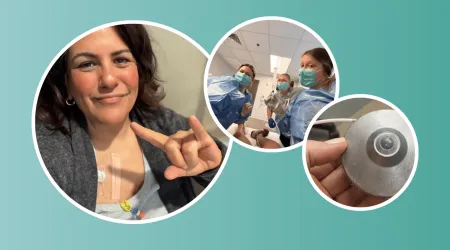
HAI therapy proves pivotal for pioneering patient
When Helen was diagnosed with metastatic colorectal cancer, the biggest concern for her medical team was that her cancer had spread to her liver. One type of therapy, hepatic artery infusion, offered a path forward, but there was a catch. Nobody at her hospital had ever done it before. She'd have to be first.
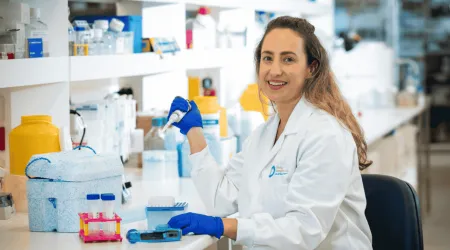
Where breakthroughs begin: Project Cure CRC spotlight on Dr. Lisa Mielke
hrough Project Cure CRC, the Alliance is fueling bold, early-stage research with the potential to transform colorectal cancer treatment. Dr. Lisa Mielke’s groundbreaking work explores how the gut’s immune system and nerve signaling influence cancer growth—opening the door to new therapeutic approaches, including repurposed existing drugs. This is what’s possible when promising ideas get the support they need to move forward.